Sales Tips

To give your home a competitive edge when it’s time to sell, make sure it is in good physical condition. This not only makes your home more attractive and desirable, it also simplifies the negotiation process when the time comes for the buyer’s pre-purchase inspection.

According to home inspection experts, approximately half the resale homes in the market today have at least one significant defect. Routine maintenance is the best way to prevent major, costly problems from developing in the first place. If you have been putting off those repairs, now is the time to make them.

Check the Major Systems

After size, style, and location, a home buyer’s primary concern is the condition of the home’s basic structure and major mechanical systems. Most buyers do not want to invest a great deal of money correcting problems in such critical areas.

A pre-listing home inspection of the visible and accessible home components can reveal most of these problems, and include recommended repairs, if needed, on the following major items:


  • Roof structure and covering
  • Foundation, basement, and/or crawl space
  • Central heating and air conditioning systems
  • Electrical system
  • Plumbing system

Make Maintenance Improvements

A number of maintenance improvements are relatively easy and inexpensive to make, yet they can substantially improve a home’s appearance, efficiency, and comfort. A professional home inspector may make helpful maintenance suggestions, such as:


  • Trim trees and shrubs which touch or overhang the house
  • Apply new caulking and weather stripping as needed around windows and doors
  • Clean gutters of debris and leaves; repair or replace cracked or broken gutters, downspouts, and extensions to ensure proper drainage
  • Replace bathroom caulk or grouting where necessary to prevent seepage and improve appearance
  • Ventilate closed basements and crawl spaces, or install a dehumidifier, to prevent excessive moisture build-up
  • Regrade soil around the foundation, as needed to keep water away from the house
  • Replace dirty filters in the heating and air conditioning systems
  • Have the heating and air conditioning systems professionally serviced
  • Have chimneys professionally cleaned, and install chimney hoods or caps as needed

Pay Attention to Details

Fixing even minor items can go a long way toward improving that important first impression of your home. Here are some typical improvements which might be suggested by the home inspector’s findings:


  • Repair leaky faucets
  • Tighten loose doorknobs
  • Replace damaged screens
  • Replace broken panes of glass
  • Replace burned-out light bulbs
  • Secure loose railings
  • Repair and coat driveway
  • Patch holes or cracks in walls and ceilings, then repaint
  • Repair peeling wallpaper

Take Safety Precautions

Home inspectors also pay attention to items relating to protecting the home and its occupants from danger. They can alert you to important safety precautions which home buyers will appreciate, such as:


  • Installing smoke detectors on each level and inside each bedroom
  • Installing Ground Fault Circuit Interrupters (GFCI’s) in wet areas, such as kitchen countertops, bathrooms, and exterior outlets
  • Keeping flammable products away from heaters, water heaters, and fireplaces
  • Installing Carbon Monoxide detectors on each level

Make Cosmetic Improvements

An attractive, clean, and neat home will appeal to a buyer’s emotions. In addition to making repairs such as those listed above, remember to:


  • Keep the lawn mowed and the house neat
  • Clean the exterior walls and trim; repaint if necessary
  • Open window shades and curtains to create a bright, inviting atmosphere
  • Keep the kitchen and bathrooms clean, since buyers scrutinize these areas

Prepare for the Buyer’s Inspection

It’s a good idea to assemble in advance various house records that can be used to answer questions from buyers and home inspectors. The Home Buyer Checklist identifies some of the important factors to consider when choosing a home. In addition to an affordable sales price, buyers will also want to be sure that the neighborhood and house meet the needs of their family.

Frequently Asked Questions

  • 1. How do I choose a Home Inspector?
    Call up and ask about credentials and experience. If for some reason you do not feel comfortable asking this of the inspector when speaking with them on the phone, then how will you feel asking questions at the inspection? You must feel that the inspector is qualified, experienced, and attentive to your needs.
  • 2. What qualifications or credentials should a home inspector offer?
    When choosing a home inspector, begin with a list of association members in your area. Then check to see who among these is the most experienced and has the most outstanding reputation for thoroughness as an inspector. And be sure to attend your inspection. That way, you will learn as much as possible from your inspector. Some inspectors have college degrees in fields related to construction such as engineering and architecture.
  • 3.What will the inspection cover?
    A thorough inspection covers everything from roof to the foundation.
  • 4. How long will the inspection take?
    Most inspections take about three to four hours. These times may vary depending on the size, age, and condition of the home.
  • 5. Should I be present during the inspection?
    We recommend that you be present at the site of the inspection, from start to finish.
  • 6. Why use our services?
    The purchase of a new home is one of the single most costly investments that a family will make. Along with the extra stress this adds, there is also the fear factor of wondering whether the home will stand the test of time. It is important to know what you, as the primary investor, are getting for your money.
  • 7. Why can’t I have someone in my family who is very handy or a contractor inspect my new home?
    This is the biggest mistake many potential new homeowners make when purchasing a home. Although the person you are considering may be very skilled, they are not trained or experienced at professional home inspections. Professional home inspection is a unique skill like no other. Professional inspectors get what we call an inspector's instinct for problems. That instinct takes extensive training and lots of experience doing inspections to develop. Many contractors, and other trades professionals hire a professional home inspector to inspect their homes when they make a purchase.
  • 8.What if I have questions after the inspection?
    You can call us and discuss all the aspects of your new home whenever you like. Our service is a long-term investment.

EIFS

  • 1. What are EIFS?
    Exterior Insulation and Finish Systems (EIFS) are multi-layered exterior wall systems that are used on both commercial buildings and homes. EIFS were introduced in the U.S. almost 30 years ago and were first used on commercial buildings and then later on homes. EIFS typically consist of an insulation board made of polystyrene foam (which is secured to the exterior wall surface with an adhesive and/or mechanical attachments), a water-resistant base coat applied on top of the insulation and reinforced with fiberglass mesh, and a finish coat typically using acrylic co-polymer technology. This type of system is often referred to as artificial stucco.
  • 2.The Potential Problem with EIFS...

    The potential problem with EIFS is that moisture can get trapped behind the highly water resistant material with no way out. This can cause the framing to rot and foster the growth of mold between the exterior and interior walls. Damp and rotting wood is also a prime target for subterranean termites. It should be stated that the potential for these conditions exist with any type of exterior siding product be it brick veneer, wood, or vinyl siding. The potential for this condition with EIFS however can be exacerbated by its superior water resistance. Once moisture gets in, regardless of its origin, it usually has no escape.

    The main locations where water tends to infiltrate into the framing structure of a building using an EIFS is around doors and windows, where the roof connects to the EIFS (roof flashing), and below extended exterior deck connections. Also, any moisture from within the home trying to find a path out will likely be thwarted by the EIFS.

    The EIFS industry has been plagued by class action, and individual lawsuits (particularly in humid climates). The public's confidence in the products have been shaken to say the least. The lawsuits contend that the problem is with the nature of the product and the manufacturers contend that sloppy installation and poor maintenance are the culprits.

    Regardless of who is "right", its clear that homes with EIFS require special scrutiny during inspection.

Mold Information

  • 1. What is Mold?

    Mold is a type of fungus that exists both indoors and outdoors. It reproduces by releasing tiny spores into the air, and those spores can begin growing when they land on damp surfaces with a food source such as wood, drywall, paper, dust, or other organic material. Because mold is naturally present in the environment, the practical goal indoors is not to eliminate every spore, but to prevent mold growth by controlling moisture.

    Mold may appear as black, green, white, orange, or other colored spots, and it is often associated with a musty odor. Common indoor causes include roof leaks, plumbing leaks, condensation, flooding, poor ventilation, or any condition that allows moisture to remain trapped in building materials.

  • 2.Health Effects

    Mold exposure can affect people differently depending on the type of mold, the amount and duration of exposure, and the sensitivity of the person exposed. According to CDC and NIEHS, mold can cause irritation of the eyes, nose, throat, skin, and lungs, and it may trigger allergy-like symptoms such as sneezing, coughing, wheezing, and runny nose.

    People with asthma, allergies, chronic lung disease, or weakened immune systems may be more likely to experience stronger reactions. Damp, moldy buildings have also been associated with worsening asthma and other respiratory symptoms. Anyone with persistent symptoms or health concerns should speak with a qualified medical professional.

  • 3.Home Investigation

    A home investigation for mold should begin with visible signs of moisture, water damage, or mold growth. Look for stained materials, peeling paint, warped surfaces, condensation, musty odors, visible spotting, and areas that have experienced leaks or flooding. Bathrooms, kitchens, basements, crawl spaces, attics, around windows, and near plumbing fixtures are all common places to check.

    EPA and CDC guidance generally emphasizes that if you can see mold or smell mold, that is enough to take action; testing is not always necessary before cleanup. The most important part of the investigation is finding and correcting the moisture source, because mold will often return if the water problem is not fixed.

  • 4.Mold Clean-up and Removal

    If mold is present, the mold should be cleaned up and the moisture problem should be corrected at the same time. Small areas can often be cleaned by removing or cleaning affected materials, drying the area thoroughly, and using appropriate protective equipment such as gloves, eye protection, and at minimum an N-95 respirator when needed. Porous materials that are badly damaged by mold or water may need to be removed and replaced rather than cleaned.

    People with asthma, allergies, weakened immune systems, or other health risks should avoid doing mold cleanup themselves. Professional help is also a good idea when the mold problem is large, when contaminated water or sewage is involved, or when mold is hidden inside walls, HVAC systems, or other hard-to-access areas. The key to successful remediation is not just removing visible mold, but also drying the area completely and preventing future moisture intrusion.

Radon

  • 1. What is Radon?

    Radon is a naturally occurring radioactive gas formed when uranium, thorium, or radium breaks down in rocks, soil, and groundwater. You cannot see, smell, or taste it, and it can build up indoors to levels that increase health risk.

  • 2.What You Should Know About Radon ?

    Radon can be a problem in any home, including new or old homes, well-sealed or drafty homes, and homes with or without basements. Testing is the only way to know your home’s radon level, and both EPA and CDC emphasize that all homes should be tested.

  • 3.What Are the Risk Factors?

    The main health risk from radon is lung cancer. EPA says radon is the number one cause of lung cancer among people who do not smoke and the second leading cause among people who do; smoking greatly increases the risk when combined with radon exposure. People with longer-term exposure to elevated radon levels face greater risk.

  • 4.How Does Radon Enter the Home?

    Radon usually enters from the ground as soil gas and moves into homes through openings in the building. It can also enter through well water in some homes, and building materials may contribute small amounts, though they rarely cause major radon problems by themselves.

  • 5.Potential Entry Points

    Common radon entry points include cracks in solid floors and walls, construction joints, gaps around service pipes, cavities inside walls, sump pumps, and other openings in the foundation. In homes that use groundwater, radon can also enter through the water supply.

Polybutylene

  • 1. What is Polybutylene?

    Polybutylene, often shortened to PB, is a flexible plastic plumbing pipe that was widely used in U.S. homes from roughly 1978 to the mid-1990s because it was inexpensive and easy to install. It was used for interior water supply piping, not drain or vent piping.

  • 2.How to Tell If You Have Poly

    The easiest clues are the age of the home, the appearance of the pipe, and the markings on the tubing. Polybutylene pipe is commonly gray, though it can also appear blue, black, or white in some installations. It is usually flexible, often found in 1/2-inch to 1-inch sizes, and may be stamped with markings such as “PB2110.” It is often visible near the water heater, under sinks, in basements, crawl spaces, or where the main water line enters the home.

  • 3.Will the Pipes Fail?

    They might, and that is the concern. CPSC materials describe polybutylene systems as having a history of ruptures and leaks, and industry guidance widely associates failure with long-term exposure to common water disinfectants and stresses at fittings and connections. Failures are often not visible in advance, because the material can degrade from the inside before leaking. That said, not every polybutylene system fails on the same timeline, so the presence of PB does not guarantee immediate failure; it does mean the system carries a higher risk of leakage than more modern piping materials. (U.S. Consumer Product Safety Commission)

Aluminum Wiring

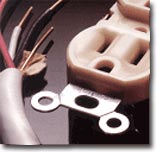
Due to implications in numerous house fires, the once common practice of using aluminum wiring during the 1970's is no longer permitted in new installations in most jurisdictions. If your house has aluminum wiring you do not necessarily need to panic. Aluminum wiring can be just as safe as copper wire as long as it has been installed correctly. The concern with aluminum wiring is that it is very unforgiving if it has been installed incorrectly.

Aluminum wiring expands when it warms up, and contracts then it cools down. Aluminum reacts differently than copper wire after several warm/cooling cycles. After each cycle aluminum tends to lose more of its tightness. This process is often referred to as "cold creep". Combined with aluminum's tendency to oxidize when in contact with certain metals, these factors can lead to dangerous problems. When aluminum oxidizes it heats up more to conduct the same amount of electricity, which then causes more oxidation. Due to this cycle, eventually the wires may start to get very hot, melt the fixture that it attached to, and even possibly cause a fire.

If you are considering purchasing a home with aluminum wiring, or have discovered it later, it would be a good idea to hire a licensed electrician or inspector to check over the wiring for any potential problems.

Ready to Work With Us?

Experience the Pangborn difference for yourself